

Apis
Apis (Honeybee)
Apis (Honeybee)
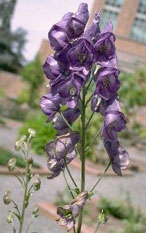
Aconite (Monkshood)
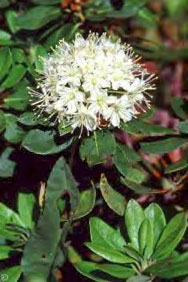
Allium Cepa (Common red onion)

Homeopathy is a system of natural medicine, based upon the ancient principal of “like cures like.” Homeopathic remedies are made from plant, animal and mineral sources that cause a certain set of physical, mental and emotional symptoms. Homeopathic remedies are these original substances, which have been diluted and shaken or “potentized” into a minute dose.

Homeopathy is completely safe. Even babies and pregnant women can use homeopathy without the danger of side effects, interactions with prescription drugs, herbs or vitamins.
Homeopathy is natural. Homeopathic remedies are normally based on natural ingredients.

Homeopathic remedies treat a number of acute ailments, including: flu, coughs, colds, sore throats and fevers. It may also be used for allergies, acne, autism, Asperger Syndrome, Attention Deficient Disorder (ADD) and other behavior disorders, insomnia, mood disorders, menopause, indigestion, jaundice, and trauma.
If you are interested in trying out homeopathy for your family, I recommend the twenty remedies listed below as an excellent start for your home remedy kit. The 30c potency is the probably the best all-purpose potency to buy initially. You can find all of these remedies in any health food store. Many online homeopathic pharmacies also offer cost-effective starter kits. Visit the web site of the National Center for Homeopathy (NCH)— www.nationalcenterforhomeopathy.org—for a list of pharmacies and other homeopathic resources. By joining the NCH, you will also have online and print access to its invaluable magazine, Homeopathy Today, which includes countless articles loaded with self-treatment tips. The NCH website also includes complete information about each of these remedies in its “Remedies & Symptoms Database” (accessible to members only). The following books also provide excellent guidance as you get started in your homeopathic journey:
Self Help (How-To).
General Introduction.
For each remedy listed below, I have given brief, general indications for use. I recommend consulting one of the Self-Help books listed above, or other articles and information provided on the NCH site, for more complete information. Also please note that any homeopathic remedy can be used in a wide array of contexts. Thus, a useful acute remedy like Aconite can have broader constitutional use for a wide variety of diseases; or a broad constitutional remedy like Sulphur can be useful in an acute situation. Learning a little homeopathy can go a long way and the more you study, the more skilled you will become! However, the best homeopathic treatment is usually found under the guidance of a trained homeopath.
First Aid Remedies
(1) Arnica. Number one remedy for accidents, shock, injuries, and bruising. Patient has a fear of being touched and may say they are “all right” when they clearly are not. Other applications include pain after dental work and jet lag.
(2) Calendula. Number one remedy for healing wounds. Useful as a topical cream in low potency. Quickly seals wounds, so make sure wound is completely clean before use.
(3) Hypericum. Number one remedy for injuries to nerves. Pains are sharp and shooting. Useful for pain after dental injection.
(4) Apis. Number one remedy for bites and stings. Helps with redness, pain, and swelling.
(5) Ledum. Number one remedy for puncture wounds. Also useful for animal and insect bites. Along with Hypericum, a useful remedy for tetanus. An important remedy for Lyme disease. Pain is better from cold application, worse from heat.
Remedies for Specific Situations and Acute Illnesses
(6) Kali-bichromicum. Number one remedy for sinus infections.
(7) Chamomilla. Number one remedy for teething.
(8) Ignatia. Number one remedy for acute grief or emotional shock.
(9) Belladonna. Number one remedy for high fever.
(10) Aconite. Number one remedy for nipping a cold in the bud, especially if onset is precipitated by a cold, dry wind, or a fright or shock. Useful when illness comes on very suddenly.
(11) Gelsemium. Number one remedy for the flu. Extreme prostration and weakness, shivering up and down the spine, trembling, aching muscles, heaviness of head and eyes.
(12) Eupatorium. Another important flu remedy, especially if characterized by extreme aching in the bones, as if they were broken.
(13) Arsenicum Album. Number one remedy for food poisoning. Also useful for the flu. Patient is anxious and restless and does not want to be left alone. Fear of death. Worse between midnight and 3am. Thirst for frequent sips of water.
Common Remedies for General Constitutional Use
In addition to the above remedies, the following commonly used remedies have frequent application to many illnesses and chronic conditions.
(14) Pulsatilla. Number one remedy for childhood ear infections. Patients are clingy and tearful, are thirstless, feel better when outside, and tend to have thick yellow-green discharges. Can be a useful remedy for stomach upset after eating fatty foods.
(15) Nux-Vomica. Number one remedy for hangovers and overindulgence in food. Patients tend to be ambitious, angry, tense, and irritable. Sensitive to light and noise. Like to be warm in bed.
(16) Natrum-Muriaticum. Number one remedy for cold sores. Patients tend to be closed and sensitive. Silent grief. Craves salt.
(17) Sulphur. An important remedy for itchy skin problems that are worse from warmth. Patients tend to be warm-blooded, and like to kick the covers off in bed. Hungry at 11am. Loves sweet and spicy foods. Intellectual or philosophically-minded individuals.
(18) Lycopodium. The insecure bully. Anxious and lacking in self-confidence, but can be aggressive toward others. Fearful when trying to do something new. Complaints tend to be right-sided. Flatulence and bloating. Worse from 4-8pm.
(19) Lachesis. An important remedy for left-sided tonsillitis. Patients are talkative and amusing, but also suspicious and jealous. An important woman’s remedy, especially around menopause. Left-sided complaints. Craving for alcohol.
(20) Phosphorus. An important remedy for tickling coughs, worse from laughing and speaking. Patients are bubbly and outgoing, but with poor boundaries. Fearful and anxious. Fear of thunderstorms. Thirsty.
By Amy L. Lansky, PhD
(For more information about homeopathy, visit www.impossiblecure.com.)

One argument in favor of the true healing power of homeopathy — one that I’ve never heard countered by the skeptics — is the success of homeopathic remedies in treating animals. Even the Queen of England likes to treat her pet Corgis with homeopathy!
I’ll never forget one of my own amazing pet cures. Just days before embarking on a month-long trip, I noticed my dog Shadow had a growth on her front lower leg. I took her to the vet, hoping it was just an embedded foxtail, but he said it was a tumor that should be surgically removed, though healing would be difficult in that location and licking would have to be discouraged. What to do just two days before our vacation, with a housesitter scheduled to take care of Shadow? Instead of surgery, I decided to go mega-homeopathy. Over the course of those two days, I gave her increasing doses (30c, 200c, 1M, 10M) of her constitutional remedy (Pulsatilla — which also happened to have “tumor on the leg” as an obscure small symptom). By the time we left, the tumor was showing signs of change. After two weeks, the housesitter reported that it was completely gone and that the hair was growing back. I took a photo upon our return (no sign of a tumor at all!) and mailed it to the vet. He was incredulous, but unfortunately, not interested in learning more about homeopathy.
There have been many studies proving the effectiveness of homeopathy in treating animals, some of them large scale studies on herds of farm animals. One of them is described in Chapter 7 of Impossible Cure. In a 1999 study conducted on 1440 pigs on a large commercial pig farm in Germany, homeopathic prophylactic treatment of pigs against respiratory disease (a big problem on such farms) was compared against placebo, prophylactic use of antibiotics, and high therapeutic doses of antibiotics. In this study, not only did homeopathic treatment of the pigs beat out placebo, but it also surpassed prophylactic doses of antibiotics by a significant margin. Whereas the antibiotics made disease 11% less likely than placebo, and the homeopathy made disease 40% less likely! Only when the doses of antibiotics were raised to high therapeutic levels (something that cannot be safely sustained in raising herds of animals) was homeopathic treatment surpassed (making disease 70% less likely).
We all know that allopathic drugs are entering our food chain in unhealthy ways. Overuse of antibiotics on farm animals, for example, has played a large role in the rise of strains of bacteria that are resistant to antibiotics — now a huge problem in hospitals. Hormones and antibiotics pollute our waterways too. So why haven’t studies like the German pig study being heeded? Well, I’m sure that the purveyors of antibiotics wouldn’t be too happy about it. But things do seem to be changing somewhat. For example, the EU is funding a €2 million research project investigating how homeopathy can be used to treat farm animals and reduce the use of antibiotics.
But there are quarters where the successes of homeopathy in treating animals are actively being listened to — in particular, organic farmers and open-minded veterinarians who want to serve their animals more safely and effectively. Quietly, veterinarians (especially those that serve organic farms) are helping animal herds with homeopathy. In fact, in my experience, many vets are more willing than people-docs to acknowledge the dangers of over-vaccination and over-drugging. They can more easily see their deleterious consequences, because the short lifespan of animals makes the effects of generation after generation of drugging more easily observable. For this reason (and because vets are a bit “lower on the radar” than people-docs), doctors who dedicate themselves to animal care are often the first to honestly look for alternatives.
One of the leading homeopathic veterinarians in the world, Richard Pitcairn, has trained many of the world’s homeopathic vets. Adapting the human homeopathic materia medica and repertory language to animals isn’t always easy — animals can’t exactly talk to us! — but through observation and knowledge of animal behavior and physiology, huge successes in treatment have been possible by homeopathic vets. With both a veterinary degree and having done post-graduate research work in immunology, Pitcairn has written eloquently on the dangers of over-vaccination, which he says has created generations of cats and dogs with higher rates of cancer than ever before. He is also an ardent educator on the power of classical homeopathy and is the author of a popular book on natural medicine for cats and dogs, Dr. Pitcairn’s Complete Guide To Natural Health For Dogs and Cats. I encourage you all to visit his site and to read these eye opening articles:
* A New Look At Vaccines
* Homeopathic Alternatives to Vaccines
* New World Veterinary Repertory
Here are some more articles, studies, and videos to peruse, testifying to the power of homeopathy in treating animals — pets, domestics herds, and wild life too.
by Amy L. Lansky, PhD
(For more information about homeopathy, please visit www.impossiblecure.com)
source: http://www.mothering.com/community/a/how-can-homeopathy-be-placebo-when-it-cures-farm-animals

The word “allergy” did not even exist a century ago, and yet, respiratory allergies today are the 5th leading chronic disease in the U.S. and are the 3rd most common chronic disease among children under 18 years old. [1] It has been estimated that one in seven Americans had a respiratory allergy in 1950, but one in four have one now.
To those of us who do not believe in coincidences, it is not surprising that my father was a physician who specialized in allergy. Allergy is the medical specialty that commonly uses small doses of an allergen in order to desensitize a person to that allergen. This concept of using small doses of what might cause a problem in order to help prevent or heal the person is an ancient observation of healers/physicians all over the world, and it is the basis for a type of natural medicine called homeopathy.
It is therefore not surprising that one of the three physicians who founded the American Academy of Allergy was a San Francisco homeopathic physician, Dr. Grant L. Selfridge. [2] Another small and forgotten footnote in medical history involves a homeopathic physician from Scotland, C.H. Blackley, who in 1871 was the first physician to identify pollen as the cause of hay fever. [3]
Although homeopaths have a history of being at the forefront of medical research and discovery, it is particularly appropriate and even predictable that they would lead the way in the field of allergy. Because the primary principle of modern allergy treatment derives from the homeopathic principle of “treating like with like,” the spirit of homeopathy has lived on, despite the tendency of orthodox physicians to ignore it.
Research in Leading Medical Journals
Respiratory allergies represent the condition for which there is a relatively strong research base for efficacious treatment with homeopathic medicines. A group of researchers at the University of Glasgow published four studies, three of which were published in the BMJ (British Medical Journal) and the Lancet, two highly respected medical journals. Each study was randomized, double-blind, and placebo-controlled. Each trial used an oral 30C homeopathic preparation. The first two trials involved patients with hay fever, [4] [5] where patients were either give a placebo or homeopathic doses of 12 common flowers to which people are allergic.
The third trial involved patients with asthma, where patients underwent conventional allergy testing to determine to what substance they were most allergic. [6] Half of the patients were given a placebo and half were given a homeopathic dose of the substance to which they were most allergic (the most common allergen was “house dust mite” and thus, these patients were given House Dust Mite 30C).
The fourth study was the treatment of patients suffering with perennial allergic rhinitis (a broad technical term for respiratory allergies that are not seasonal). [7] Like the previous study, half of the patients were given a placebo, while the other half was given a homeopathic dose of whatever substance the person was most allergic. The patients given the homeopathic medicine experienced significant improvement in nasal inspiratory flow comparable with the improvement typically experienced by patients given steroidal drugs…without side effects!
When evaluating all four trials together (there were 253 patients in all of their clinical trials), there was a 28 percentimprovement in homeopathic subjects versus a 3 percent improvement in placebo subjects.
Following in the footsteps of the above research, a 4-week, double-blind clinical trial comparing homeopathic preparations with placebo was conducted in the Phoenix metropolitan area during the regional allergy season from February to May. [8] The treatment group was given a homeopathic preparation (6X) of common allergens in the Southwest region of the U.S. Participants included 40 men and women, 26-63 years of age, diagnosed with moderate to severe seasonal allergic rhinitis symptoms.
In addition to the above research, a group of German researchers conducted annual controlled clinical trials using a single homeopathic medicine (Galphima glauca) on over 1,000 hay fever subjects. The last six clinical trials were randomized, double-blind, and placebo-controlled. These studies consistently showed benefits from this homeopathic treatment as compared with those patients given a placebo. [9]
It should be acknowledged that not all research has confirmed success in the treatment of respiratory allergies using homeopathic medicines. For instance, one study tested homeopathic doses of birch trees to treat people with birch tree allergies, but such treatment was not any more effective than a placebo. [10]
Specific Treatment Options
What this research suggests is that homeopathic medicines provide an often effective and extremely safe means of treatment for patients with respiratory allergies. Further, due to the widely recognized safety of homeopathic medicines, it makes sense to consider safe methods before resorting to more risky treatments. There are specific treatment options using homeopathic medicines that people can consider:
1) Follow the studies of the Glasgow researchers and use conventional allergy testing to determine to what you are allergic and then take the 30C dose of this substance (these products are available through select homeopathic pharmacies).
2) Two of the Glasgow studies involved subjects with hay fever, and these studies used a combination homeopathic medicine that included flowers to which the patients were allergic. People might consider prescribing a homeopathic medicine that contains many of the common flowers to which the hay fever subject is sensitive (most health food stores have homeopathic combination remedies that include such ingredients).
3) People with hay fever could consider taking Galphimia glauca 3X, 4X, 4C, or 6C as long as hay fever symptoms persist, or use a homeopathic combination remedy in which this remedy is an ingredient.
4) People with allergies could consider prescribing an individualized single homeopathic medicine as recommended in various homeopathic acute care guidebooks. [11] Individualizing a homeopathic medicine to a specific person and his/her unique syndrome of symptoms is the preferred method of “classical homeopathy” and has a long-time history of significant success.
Generally, these treatment options provide safe and effective care for patients suffering from respiratory allergies, but it is uncertain how long-term the therapeutic benefits will last. It may be necessary to refer the patient to a professional homeopath who will prescribe a homeopathic constitutional medicine that is, a remedy that is highly individualized to the patient genetic makeup, personal health history, and totality of physical and psychological symptoms. Clinical experience commonly observes more long-term results.
Skeptics commonly assert that homeopathic medicines comprise of too small of a dose to have any effect, and yet, there have been 200+ clinical trials that have evaluated homeopathic treatment, most of which found positive results from homeopathic medicines. Although it is not presently known with certainty how homeopathic medicines work, conventional medicine has a long history of using treatments for which they didn’t understand but that worked anyway.
Future blogs will discuss more clinical research, some modern theories about how and why homeopathic medicines work. I also plan to discuss why so many of the most respected cultural heroes since the early 19th century have used and/or advocated for homeopathy, including 11 U.S. Presidents, two British prime ministers, six popes, and many of the most respected physicians, scientists, literary greats, corporate leaders, heads of state, sports superstars, musical and artistic geniuses, women’s rights leaders, and clergy of the past 200 years.
REFERENCES:
[1] Allergy and Asthma Foundation of America
[2] Cohen SG. The American Academy of Allergy: a historical review. J Allergy Clin Immunol 1979;64: 332-333.
[3] Reilly D, Taylor MA, McSharry C, Aitchison T. Is homoeopathy a placebo response? Controlled trial of homoeopathic potency, with pollen in hayfever as model. Lancet October 18, 1986; ii: 881-886.
[4] Reilly, DT, Taylor, MA, Potent placebo or potency? A proposed study model with initial findings using homoeopathically prepared pollens in hayfever, British Homoeopathic Journal 1985,74:65-75.
[5] Reilly D, Taylor MA, McSharry C, Aitchison T. Is homoeopathy a placebo response? Controlled trial of homoeopathic potency, with pollen in hayfever as model. Lancet October 18, 1986; ii: 881-886.
[6] Reilly, DT, Taylor MA, Beattie NGM, et al, Is evidence for homoeopathy reproducible? Lancet 1994,344:1601-1606.
[7] Taylor MA, Reilly D, Llewellyn-Jones H, McSharry C, Aitchison TC, Randomised controlled trial of homoeopathy versus placebo in perennial allergic rhinitis with overview of four trial series, BMJ August 19, 2000,321:471-476.
[8] Kim LS, Riedlinger JE, Baldwin CM, Hilli L, Khalsa SV, Messer SA, Waters RF. Treatment of seasonal allergic rhinitis using homeopathic preparation of common allergens in the southwest region of the US: a randomized, controlled clinical trial. Ann Pharmacother. 2005 Apr;39(4):617-24.
[9] Wiesenauer M, Ludtke R, “A Meta-analysis of the Homeopathic Treatment of Pollinosis with Galphimia glauca,” Forsch Komplementarmed., 3(1996):230-234.
[10] Aabel S. Prophylactic and acute treatment with the homeopathic medicine Betula 30C for birch pollen allergy: a double-blind, randomized, placebo-controlled study of consistency of VAS responses. Br Homeopath J 2001;90:73-78.
[11] Cummings S, Ullman D, Everybody’s Guide to Homeopathic Medicine, New York: JP Tarcher/Putnam, 2004.
>
Dana Ullman, MPH, is America’s leading spokesperson for homeopathy and is the founder of Homeopathic.com He is the author of 10 books, including his bestseller, Everybody’s Guide To Homeopathic Medicines His most recent book is, The Homeopathic Revolution: Why Famous People and Cultural Heroes Choose. Dana lives, practices, and writes from Berkeley, California.